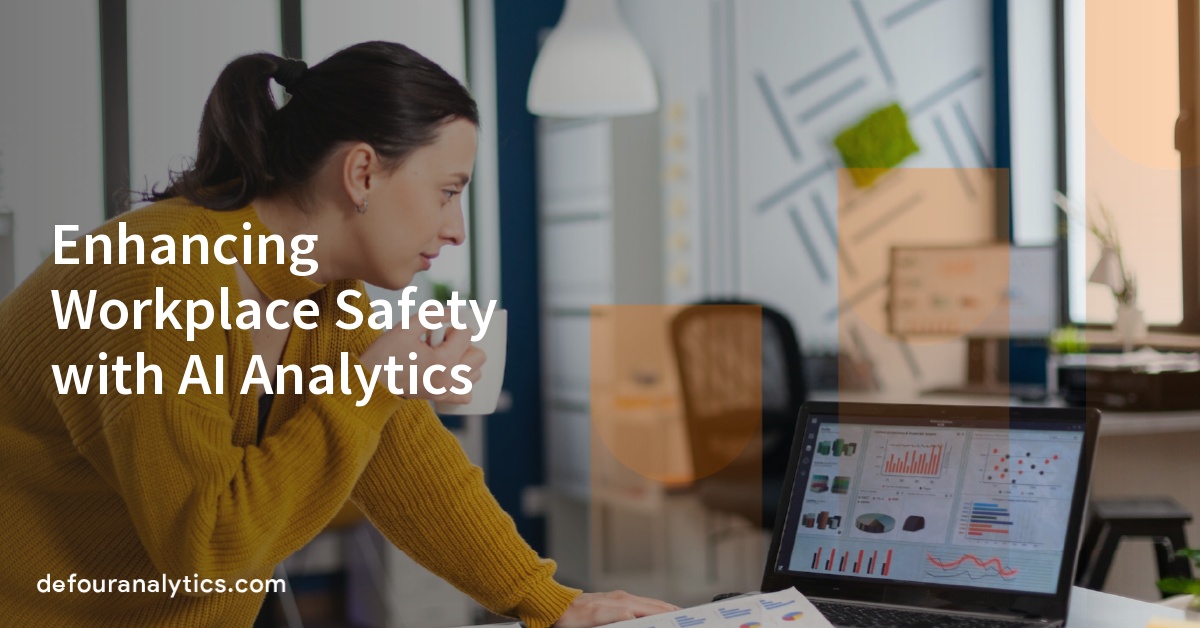
Artificial Intelligence (AI) is revolutionizing workplace safety and risk management by offering innovative solutions that enhance the well-being of employees. With over half a million work-related injuries reported by the UK Health and Safety Executive in 2021-2022, the need for robust safety measures has never been more critical. By leveraging AI in workplace safety, businesses can utilize predictive hazard detection to preemptively identify potential risks and create safer environments.
AI-enhanced employee training is another emerging trend, providing personalized safety instructions that cater to individual needs and job roles. These smart safety practices not only improve compliance but also foster a culture of vigilance and proactive risk management. Companies must also ensure transparency in data handling, addressing privacy concerns to build trust and promote wider acceptance of AI-driven safety protocols. As AI risk management continues to evolve, it signals a promising future where workplace safety is significantly bolstered by intelligent analytics.
The Role of Internet of Things (IoT) in Workplace Safety
The advent of the Internet of Things (IoT) has revolutionized workplace safety, combining advanced sensors and intelligence to enhance traditional safety measures. IoT in workplace safety has significantly transformed how companies monitor and manage employee behavior, ensuring a safer and more compliant environment.
IoT’s Impact on Employee Behavior
IoT technologies, such as smart wearables and connected sensors, facilitate comprehensive employee safety monitoring. By collecting and analyzing data in real time, companies gain valuable insights into behavioral safety analytics. This enables immediate feedback and correction of unsafe practices, fostering a culture of safety and accountability. The integration of IoT and AI further amplifies these insights, offering personalized recommendations to prevent accidents and promote safe behaviors.
Real-Time Hazard Detection
One of the most significant benefits of IoT for hazard prevention is its ability to detect dangers in real time. Through advanced sensor technology, systems can monitor environmental conditions and identify physical and chemical hazards before they pose a threat. These real-time alerts allow for prompt action, preserving the well-being of employees and maintaining adherence to safety protocols. IoT and AI integration plays a crucial role in this, ensuring that the collected data is both accurate and actionable, ultimately contributing to a safer workplace.
Wearable Technology: A New Frontier in Safety Awareness
Wearable technology represents the cutting-edge in elevating safety awareness within the workplace. Modern industries are embracing wearable safety devices such as smart helmets, tracking bands, and other smart safety equipment to facilitate the concept of the “connected worker,” significantly enhancing situational awareness and safety responsiveness.
These wearable safety devices are employed to monitor vital signs and environmental conditions, promptly signaling when safety thresholds are breached. Innovations such as workplace fatigue detection and environmental monitoring sensors play a pivotal role in safeguarding employees by relaying critical data that can preempt health and safety concerns.
Technologies like AI-driven wearables and the “electronic nose” exemplify the strides being made in detecting environmental hazards, contributing to the proactive preservation of workplace safety. By leveraging AI and wearable technology, companies can ensure a safer working environment for their connected workers, ultimately leading to more efficient and secure operations.
Enhancing Workplace Safety AI Analytics
AI analytics transforms workplace safety by offering powerful tools such as safety predictive analytics and AI risk assessment. These technologies enable proactive measures to identify and mitigate potential hazards before they become incidents. The ability to forecast and prevent accidents is much enhanced through these innovative approaches.
Predictive Analytics and Risk Mitigation
Predictive analytics examines historical data, providing foresight into potential safety breaches. Leveraging AI risk assessment, companies can anticipate and address issues before they arise, significantly reducing workplace incidents. For example, Caterpillar’s eye-tracking technology focuses on AI in hazard prevention, specifically targeting driver fatigue, thus promoting safer working conditions for high-risk tasks like operating heavy machinery.
Personalized Safety Training through AI
AI contributes substantially to customized employee safety optimization. Based on job-specific risks and individual learning preferences, custom safety training programs can be created. Immersive learning experiences through VR and AR offer compelling and realistic scenarios that prepare employees effectively for real-world hazards. This not only enhances the training’s relevancy but also its efficacy, ensuring that personalized safety training meets the unique demands of each workplace environment.
AI-Powered Compliance and Documentation
As AI technology continues its march into every facet of our lives, the critical areas of safety compliance and documentation are undergoing a remarkable transformation. AI for safety compliance is not just a futuristic concept but a present-day reality that is making workplaces safer and more efficient. By leveraging AI document management systems, companies can automate the generation of compliance reports and manage documentation with unprecedented accuracy. This not only diminishes the likelihood of human error but also ensures that all pertinent information is meticulously organized and readily accessible.
One of the standout features of AI in this domain is its vigilance towards regulatory updates. AI compliance strategies are designed to keep a watchful eye on ever-changing regulations, enabling businesses to stay ahead. When new laws or adjustments to existing guidelines are introduced, the AI promptly alerts the relevant stakeholders and suggests necessary compliance steps tailored to the organization’s specific risks. This proactive approach is instrumental in fostering an environment where compliance is seamlessly integrated into day-to-day operations, reducing the stress and potential pitfalls associated with manual monitoring.
Furthermore, AI’s capacity to monitor and predict workplace hazards is an invaluable asset. Proactive safety alerts generated by AI systems provide real-time notifications of potential risks, allowing prompt action to prevent incidents. Integrating these alerts into standard operational procedures solidifies an organizational culture rooted in proactive safety measures. The result is a safer workplace where employees can focus on their tasks, knowing that advanced technology is constantly working in the background to ensure their safety.

- The Data Behind Comfort: How AI Is Optimizing HVAC Performance in Smart Buildings - September 11, 2026
- IT Forecasting and Planning Solutions That Connect Spend to Business Outcomes: Enterprise Edition - August 20, 2026
- Best Warehouse Cleaning Companies (2026 Guide) - August 15, 2026